





Commissioning plan
Commissioning refers to the process of bringing an item into operation and ensuring that it is in good working order. On building projects, this refers primarily to building services.
Commissioning activities may include:
- Ensuring client access and providing client training and demonstrations.
- Completing operating and maintenance manuals, record drawings, software and test certification.
- Obtaining statutory approvals and insurance approvals.
- Manufacturers work testing.
- Component testing.
- Pre-commissioning tests.
- Set to work: this is the process of switching on (i.e. setting to work) items such as fans and motors to ensure that they are operating as specified (for example checking that fans are turning the right way).
- Balancing: this follows setting to work and involves looking at whole systems (rather than individual components) to ensure that they are properly balanced (ie water is coming out of all the taps at the correct pressure, air is coming out of the correct diffusers etc).
- Commissioning checks and performance testing.
- Post commissioning checks and fine tuning during occupancy.
For more information see: Commissioning.
A commissioning plan is a document used to outline the scope and define the responsibilities of the commissioning process as well as the activites, schedules and documentation required. It is part of the commissioning management process, intended to ensure the client receives an efficient, fully functioning building by the planned occupancy date. An effective commissioning plan can help ensure handover to the client is smoother and less troubleshooting and fine tuning is required.
The best commissioning process is one that is planned from the project’s very inception. Designing in the ability to commission systems properly from the outset can provide huge benefits, especially on cost and performance.
The commissioning plan should be started early, and populated with detail as it becomes available. This approach calls on project professionals to plan, reality-check as they go along, prepare fully for handover, and follow through after occupation to fine-tune and resolve issues as they emerge.
According to BSRIA Guide BG 8/2009 Model Commissioning Plan, the plan should:
- Provide general information about the project.
- Identify the commissioning team members during each stage of the commissioning process.
- Define the roles and responsibilities for each commissioning team member.
- Identify the systems to be commissioned.
- Create a schedule of commissioning activities for each stage of the commissioning process.
- Establish documentation requirements associated with the commissioning process.
- Establish communication and reporting procedures for the commissioning process.
Commissioning may benefit from a dedicated commissioning manager acting as the focus for activities.
See also:Planning the commissioning of buildings.
[edit] Related articles on Designing Buildings Wiki
- At your services - What to expect during commissioning.
- Client commissioning.
- Commissioning building systems.
- Commissioning construction works.
- Commissioning documents.
- Commissioning notice.
- Commissioning planning.
- Commissioning report.
- Commissioning v testing.
- Handover to client.
- Initial commissioning case studies.
- Planning the commissioning of buildings.
- Seasonal and continuous commissioning.
- Soft landings.
- Specialist commissioning manager.
Featured articles
Check out some of the best features and news from Designing Buildings as well as key stories from around the web.
Building Safety Regulator, 19 August

Gill Kernick appointed Independent Chair of Residents’ Panel.
Connecting knowledge, technology and conservation
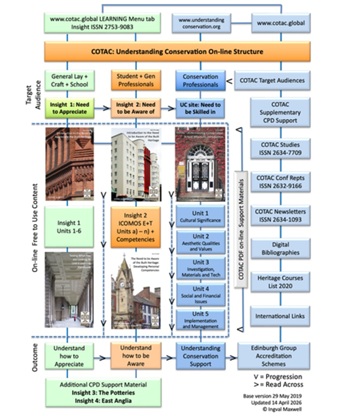
Building competence for the future of built heritage.
Building Regulations and Building Safety Act
CIOB publishes free advice for non-domestic clients.
Building Safety Newsletter from MHCLG.
An extraordinary record of steel engineering worldwide.

Households living near new pylons to save on bills.

ECA warns growth must not outpace grid capacity or skills.
The role of the client and decision making

CIOB response to built environment professions call for evidence.
Construction's sustainability reporting revolution
Tracking upfront embodied carbon with digital tools.
ECA welcomes procurement reforms

Public spending must back British jobs and skills.
Campaigning for Edinburgh: the Cockburn Association 1875-2049

The role of the civic voice in protecting character. Book review.

CIOB photography competition is open for entries.